posted on: August 12, 2026
By Stacy Best-Nervis
The skin care industry has seen more people defining their skin type as sensitive. Sensitive skin is categorized as skin that’s easily irritated and often reacts unpredictably to topical applications and skin care treatments. In the US, 60–70 percent of women and 50–60 percent of men classify their skin type as sensitive.1
Sensitivity issues are often rooted in the foundation of the keratinocyte’s cellular membrane. The cellular membrane functions as the barrier at the granular skin cell level, similar to the role of the skin barrier to the epidermis. Permeability is imperative when working with sensitive skin. The cell membrane allows nutrients to pass through and waste to be expelled. If the cellular membrane isn't healthy, the foundation of the skin cells will not function optimally, resulting in waste not moving out and nutrients having trouble reaching the skin, leading to a compromised skin barrier.
The skin barrier includes the outermost layer of the epidermis—the stratum corneum—the physical barrier we know as the skin. The skin barrier also includes the acid mantle and microbiome, which provide a naturally occurring chemical shield that protects from pollutants and external irritants while also retaining water for hydration. A compromised barrier can lead to conditions like transepidermal water loss (TEWL), resulting in the failure to maintain moisture within the skin, heightened sensitivity, increased reactivity, and inflammation. Sensitive skin can show up in the following ways.
- Erythema: This is caused by capillary dilation and increased blood flow, showing inflammation in the skin. This is often presented as mottled or blotchy skin, red or purple shading, or brown or gray shading in darker skin tones. Erythema can be a sign of possible infection, allergic reaction, or inflammation.2
- Temperature reactivity: A person’s environment can contribute to sensitive skin. Sensitivity issues caused by extreme temperatures—hot or cold climates—can create dehydration within the skin, further impacting the skin barrier and prolonging sensitivity.
- Visible irritation: Sensitive skin can often be reactive and visibly display traits like redness or inflammation. Stinging sensations can occur when topical skin care products are applied.
Product Selection
Incorrect product selection can also impact sensitive skin. If products are used that are too aggressive or don’t hydrate adequately, they can further impact the barrier and prolong sensitive skin issues. When treating sensitive skin, it’s imperative to use ingredients rich in ceramides and natural moisturizing factors (NMFs).
Ceramides
Ceramides are lipid molecules that lock in moisture and strengthen the barrier. These molecules help prevent TEWL and help the skin barrier keep pollutants out. Having these within a skin care regimen for sensitive skin reinforces the skin barrier and reduces dryness and irritation.
Natural Moisturizing Factors
NMFs are humectants that work to attract water to keep the skin hydrated. The most common are a mix of amino acids, glycerin, lactic acid, and urea. NMFs are ordinarily balanced in the skin, but they can decrease due to aging or overexfoliation.
Client Care
Treatments for sensitive skin should focus on soothing and calming the skin. Clients should use acid-free exfoliation and avoid excessive heat and steam, which can further dehydrate and irritate the skin. It’s also best to avoid advanced treatments such as chemical peels, dermaplaning, microdermabrasion, and microneedling, which can create too much inflammation and irritation in the skin.
Although the population of people with sensitive skin is growing, it can be managed successfully by an educated skin care professional who understands the client’s environment, product selection, and the skin’s natural processes.
Eucalyptus and Sea Mineral Facial for Sensitive Skin
Skin Types and Conditions: All skin types, especially sensitive skin.
Take your clients on the ultimate journey of relaxation with this revitalizing facial experience. Reveal radiant skin with this rejuvenating facial designed to exfoliate, hydrate, and restore balance. The Eucalyptus Enzyme features antioxidant-rich botanicals to help support the skin’s natural barrier and calm the look of redness, leaving the complexion smoother, softer, and refreshed. Drench the skin in marine-powered hydration with the Sea Mineral Mask. Formulated with nutrient-rich wakame algae and advanced marine complexes, this mask delivers intense moisture while helping defend against daily environmental stressors.
Step 1
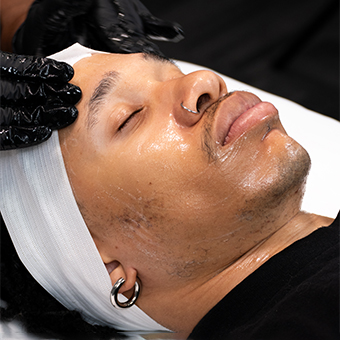
Cleanse with Pomegranate Antioxidant Cleanser and remove with esthetic wipes, sponges, or a steam towel. Perform a second cleanse with Green Tea Citrus Cleanser and remove with esthetic wipes, sponges, or a towel.
Step 2
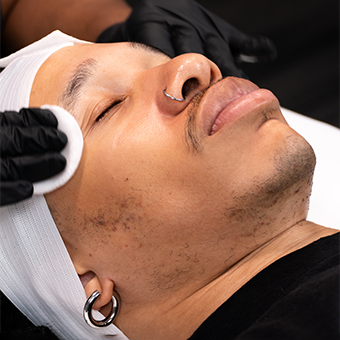
Tone with Cucumber Hydration Toner by spritzing it over the skin or applying with a cotton round.
Step 3
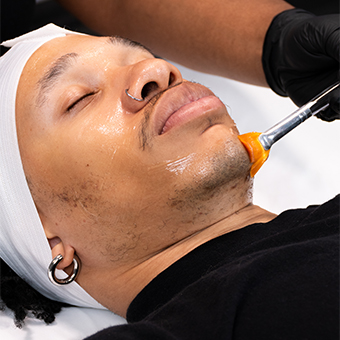
Apply Eucalyptus Enzyme with a Skin Script Fan Brush in an even layer over the face and leave for 7–10 minutes; steam is optional.
Step 4
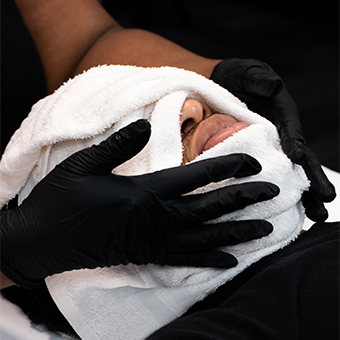
Remove with a warm steam towel or cool esthetic wipes. Perform extractions if needed.
Step 5
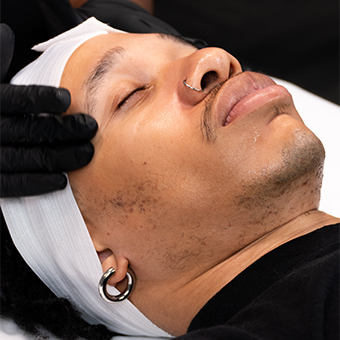
Gently massage the Golden Honey Nourishing Mask into the skin for 5–10 minutes. Remove with a steam towel.
Step 6
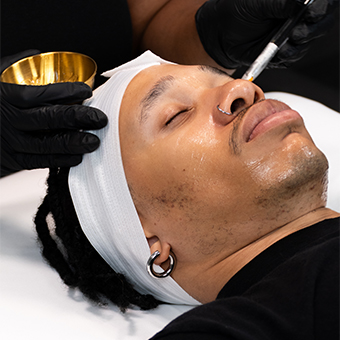
Apply Sea Mineral Mask with a Skin Script Fan Brush in an even layer over the face and leave on for 10 minutes. Remove with a warm steam towel or cool esthetic wipes.
Step 7
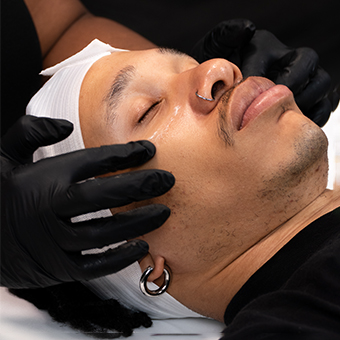
Spritz the skin again with Cucumber Hydration Toner. Apply 1 pump of Citrus-C Nourishing Cream to the face. Apply 1 pump of the Tri-Peptide Eye Cream along the orbital bone. Moisturize with appropriate weight Skin Script moisturizer.
Step 8
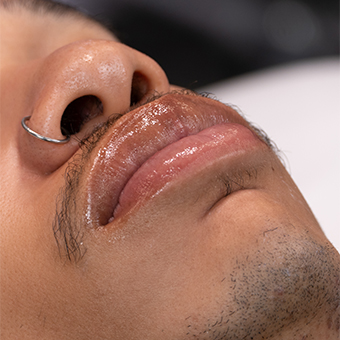
Protect with Sheer Protection SPF 30; warm a blueberry-sized amount between the fingertips and evenly distribute it over the face, lightly pressing and patting into the skin until absorbed. Apply a small amount of Ageless Lip Treatment to the lips.
Notes
1. Laurent Misery et al., “Sensitive Skin in the American Population: Prevalence, Clinical Data, and Role of the Dermatologist,” International Journal of Dermatology 50, no. 8 (August 2011), 961–7, doi.org/10.1111/j.1365-4632.2011.04884.x.
2. A. Y. Finlay et al., “Why We Should Abandon the Misused Descriptor ‘Erythema’,” British Journal of Dermatology 185, no. 6
(December 2021), 1240–1, doi.org/10.1111/bjd.20660.
- Log in to post comments